
FCA Appointed Representative · UK-wide · Independent broker
Asset finance
for UK businesses.
Spread the cost of vehicles, machinery or equipment with hire purchase or leasing, or explore refinancing an asset you already own. Asset Finance Direct is a UK broker. Tell us what you need and a broker will discuss possible routes with you.
- No credit search for an enquiry
- A request, not an offer
- Broker, not a lender
We approach finance providers according to the asset and your business circumstances
- High-street banks
- Specialist asset funders
- Manufacturer finance
- Independent lenders
- Challenger banks
Providers considered depend on your asset, business and lender criteria.
Asset finance explained
Get the asset now. Pay for it as it earns.
Asset finance can help UK businesses acquire equipment without a large upfront payment. Depending on the structure, the asset may secure the agreement; other security and obligations may also apply.
From a single van to a full fleet, an excavator to a production line, we approach finance providers according to the asset and your business circumstances. Any option is subject to lender assessment and agreement terms. Consider your cash flow, deposit and end-of-term plans when comparing proposals.
Hire purchase
Spread the cost; ownership transfers after all payments and any purchase fee in the agreement.
02Finance lease
Pay to use the asset over an agreed term while the lender retains ownership; check the end-of-term terms.
03Refinance
Explore funding secured against eligible assets or replacing an existing agreement, subject to valuation and lender assessment.
04Sale & leaseback
Sell an eligible owned asset to a funder and lease it back; legal ownership transfers and terms depend on the agreement.
Finance for what moves your business.
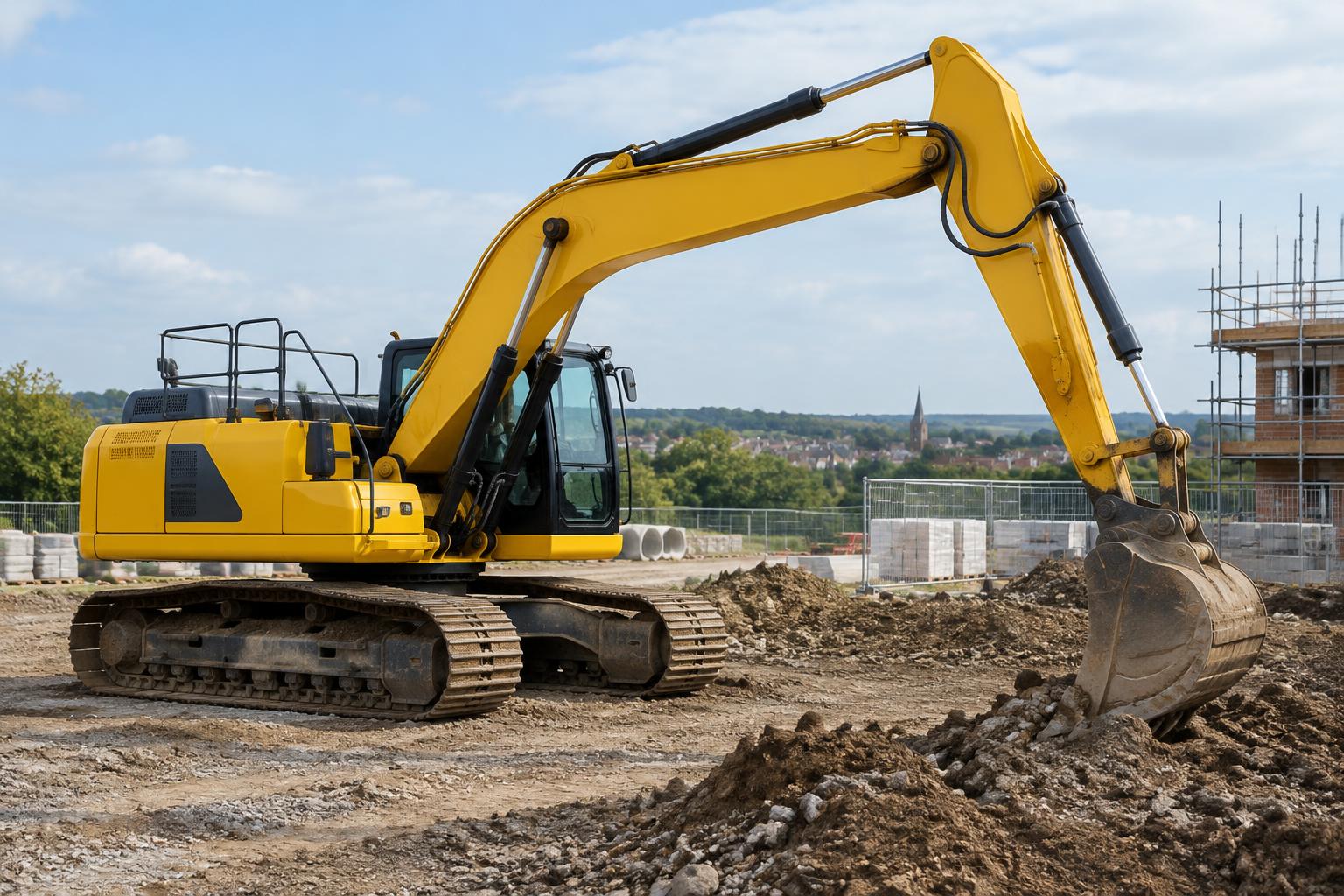
Plant & machinery asset finance
Construction, manufacturing and workshop equipment.
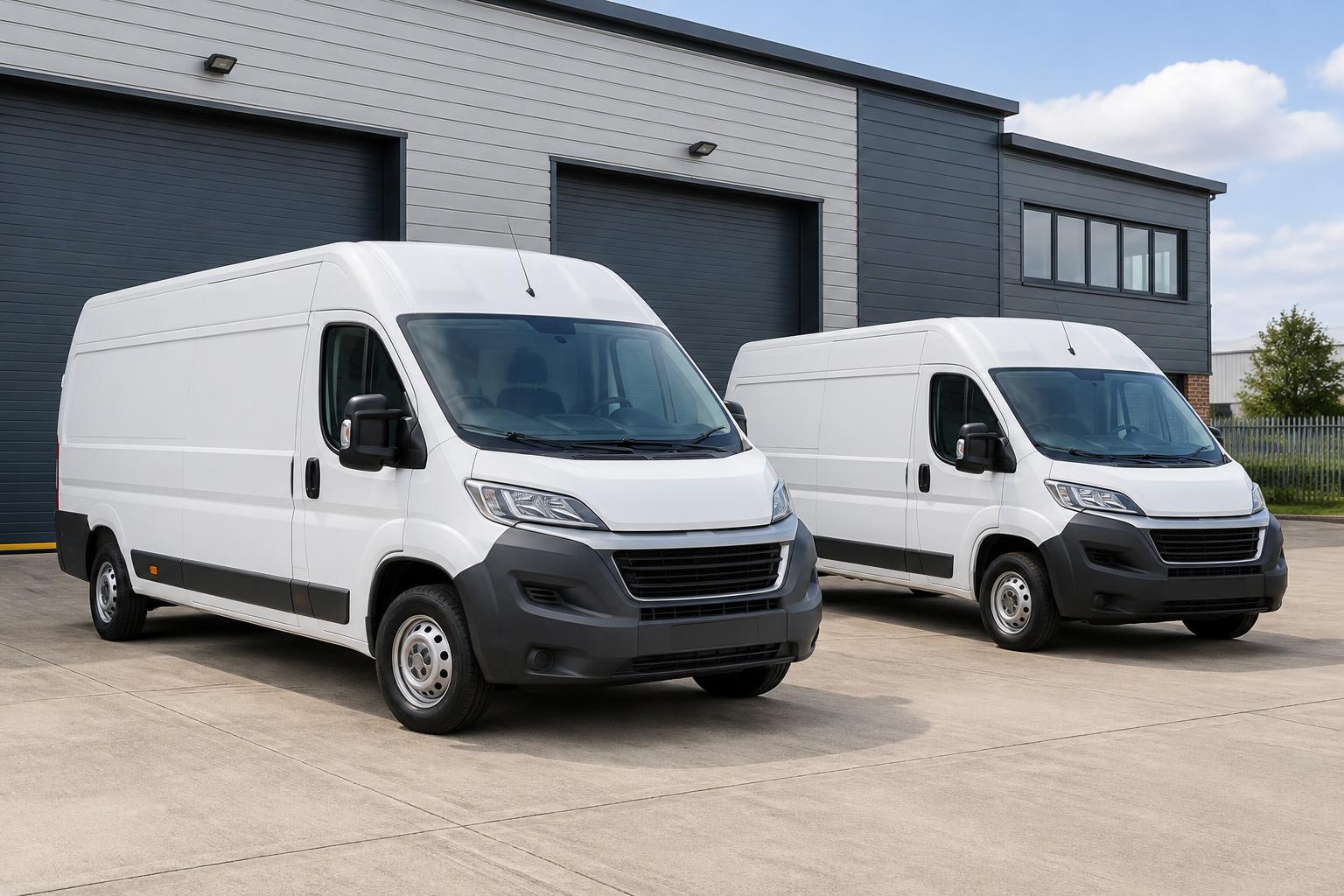
Business vehicle & fleet asset finance
Business vans, cars, HGVs and commercial fleets.
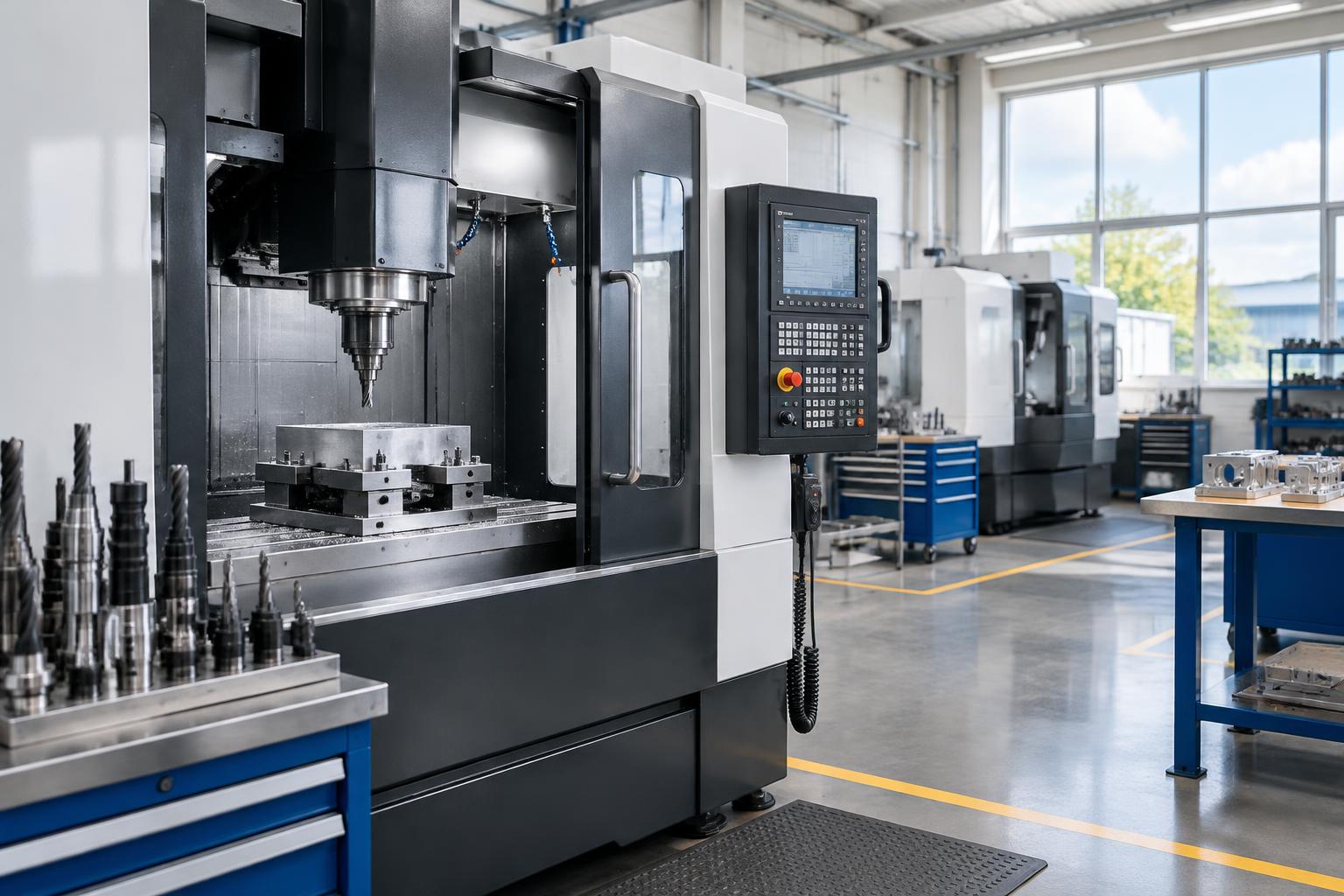
Asset refinance — asset finance for equipment you own
Compare funding against equipment your business owns.

Agricultural equipment asset finance
Tractors, harvesters and farm machinery.

IT & technology equipment asset finance
Business laptops, servers, telecoms and systems.

Catering & hospitality equipment asset finance
Commercial kitchens, refrigeration and bar equipment.
Asset finance guides for UK businesses
Compare your options
Hire purchase, lease or refinance?
Choose a starting point, not a commitment. Ask each provider for the complete payment schedule, costs, security and end-of-term terms.
| At a glance | Hire purchase | Finance lease | Refinance |
|---|---|---|---|
| Ownership | Own the asset after all payments and any purchase fee in the agreement. | Lender retains legal ownership; end-of-term options vary. | Depends on the refinance structure; security is taken over the asset. |
| VAT timing | VAT on the asset is generally due upfront; funding may be available. | VAT is generally charged on each rental. | Depends on the transaction, especially for sale & leaseback. |
| Accounts | Accounting depends on the reporting framework and agreement. | Revised FRS 102 Section 20 changes lessee accounting for applicable periods; exemptions and transition provisions may apply. | Treatment depends on whether it is a secured loan, HP or lease. |
| Tax relief | Capital allowances may be available on qualifying assets; interest may be deductible. | Relief may be available on rentals. Capital allowances generally belong to the lessor, with exceptions. | Relief depends on the structure, ownership and previous claims. |
| Cash due upfront | Ask for the deposit, fees and other initial costs. | Ask for rentals in advance, fees and any first rental. | Ask for settlement, fees and any costs deducted from proceeds. |
| Payment schedule | Check frequency, amount and any final purchase fee. | Check rental frequency, amount and any secondary rentals. | Check repayments, settlement amounts and any residual payment. |
| Security / responsibilities | Confirm asset security, any guarantees and maintenance obligations. | Confirm asset security, insurance and return/disposal responsibilities. | Confirm security, title and continuing obligations. |
General UK information, not tax or accounting advice. Most FRS 102 Periodic Review 2024 amendments apply for periods beginning on or after 1 January 2026. Revised Section 20 includes lessee-accounting changes, exemptions for some short-term and low-value leases, and transition rules. Tax treatment is separate; confirm the relevant accounting and tax treatment with a qualified accountant. Sources: FRC FRS 102 explainer and HMRC Business Leasing Manual BLM17005.
Take it with you
Compare two written proposals
Enter what each provider has quoted. Use “Ask the provider” where an item is missing. This worksheet does not calculate or recommend a finance product.
| Compare | Proposal A | Proposal B |
|---|---|---|
| Payment frequency | ||
| Amount due upfront (deposit and fees) | ||
| Total payable over the agreement | ||
| Regular payment amount | ||
| Final / balloon payment | ||
| Fees and charges | ||
| Security and guarantees | ||
| Ownership and end-of-term responsibilities |
No paperwork to start
A rough idea is enough.
You can enquire before you have chosen an asset. Documents may be requested later, depending on the lender.
Get my quoteAsset quote or specification
Useful if you have one; a description and approximate price are enough to enquire.
Business details
Your trading name and contact details. Registration information may be needed later.
Recent bank statements
A lender may ask for these later. Do not send sensitive documents through the enquiry notes.
Asset finance calculator
Estimate a monthly repayment range
After the interactive controls load, adjust the amount, term and illustrative annual rate percentage to see the monthly estimate update. The full calculator also lets you enter a deposit, fees and a possible final payment.
Default example: £50,000 over 48 months
£1,197 – £1,341 per month
Based on editable example assumptions of 7% and 13% a year, with no deposit, fees or balloon. VAT and tax effects are not included. This is not a market-rate statement, offer or approval.
Interactive controls are loading; this default example and its assumptions are available now.
Illustrative scenarios
Examples of assets and finance structures
£84,000
2x DAF XF tractor units
Hire purchase · 48 months
£52,000
Takeuchi TB290 excavator
Finance lease · 36 months
£115,000
CNC machining cell
Refinance · 60 months
£28,500
Mercedes Sprinter dropside
Hire purchase · 36 months
Illustrative examples only—not offers, approvals or a statement of typical customer outcomes. Actual availability, repayments and agreement terms depend on the business, asset and lender.
Three steps to your quote.
Tell us what you need
Pick the asset, the rough amount and your business type. It takes about a minute.
We find suitable lenders
A broker reviews your enquiry and approaches lenders that fit the asset and your business.
Review and decide
Any proposal sets out the full costs and agreement details clearly. No obligation to proceed.
Asset finance FAQs
What is asset finance?
Asset finance can let a business acquire vehicles, machinery or equipment and spread the cost over an agreed schedule, instead of paying the full price upfront. Payment structures, security and end-of-term obligations depend on the agreement.
Who is asset finance for?
Established and growing UK businesses — limited companies, sole traders, partnerships and LLPs — that want to acquire, upgrade or refinance the assets that support day-to-day operations.
Will a website enquiry affect my credit file?
No. Submitting a website enquiry does not itself carry out a credit search. If a later step may involve a search, the process will be explained to you beforehand.
Can I finance used equipment or a private sale?
Often, yes. Dealer, manufacturer, private-sale and auction purchases can be considered, but the seller, asset condition, invoice and ownership trail need to be acceptable to the lender.
What happens after I submit a quote request?
A broker will talk through the asset, your business plans and the information that may help identify suitable finance options. If a proposal is available, you can review it in full before deciding whether to proceed.
Do I need a deposit for asset finance?
Not always. Some lenders may fund without a deposit, while others ask for one depending on the asset, your trading history and the overall proposal.
How long are asset finance terms?
Terms commonly range from one to five years, sometimes longer for high-value assets. The lender sets the maximum term based on the asset's expected working life.
Can new or start-up businesses apply?
Newer businesses can enquire. Lenders may ask for more information, a deposit or a personal guarantee where trading history is limited.